
A portfolio should help a customer picture what you can do for their vehicle. It does not need to make a new installer look like a national chain. A few well-explained examples of your own work can tell someone more than a hundred dark car photographs with the same caption underneath.
Start documenting while you learn, but label practice honestly. Keep a separate learning record for mistakes and corrections. Your public portfolio is a selection; it should not turn practice into a fictional paid customer story or imply experience you do not have. The images in this guide are existing TSO training images used to illustrate useful framing, not a new installer's customer portfolio.
Build each example around three views
1. The context shot
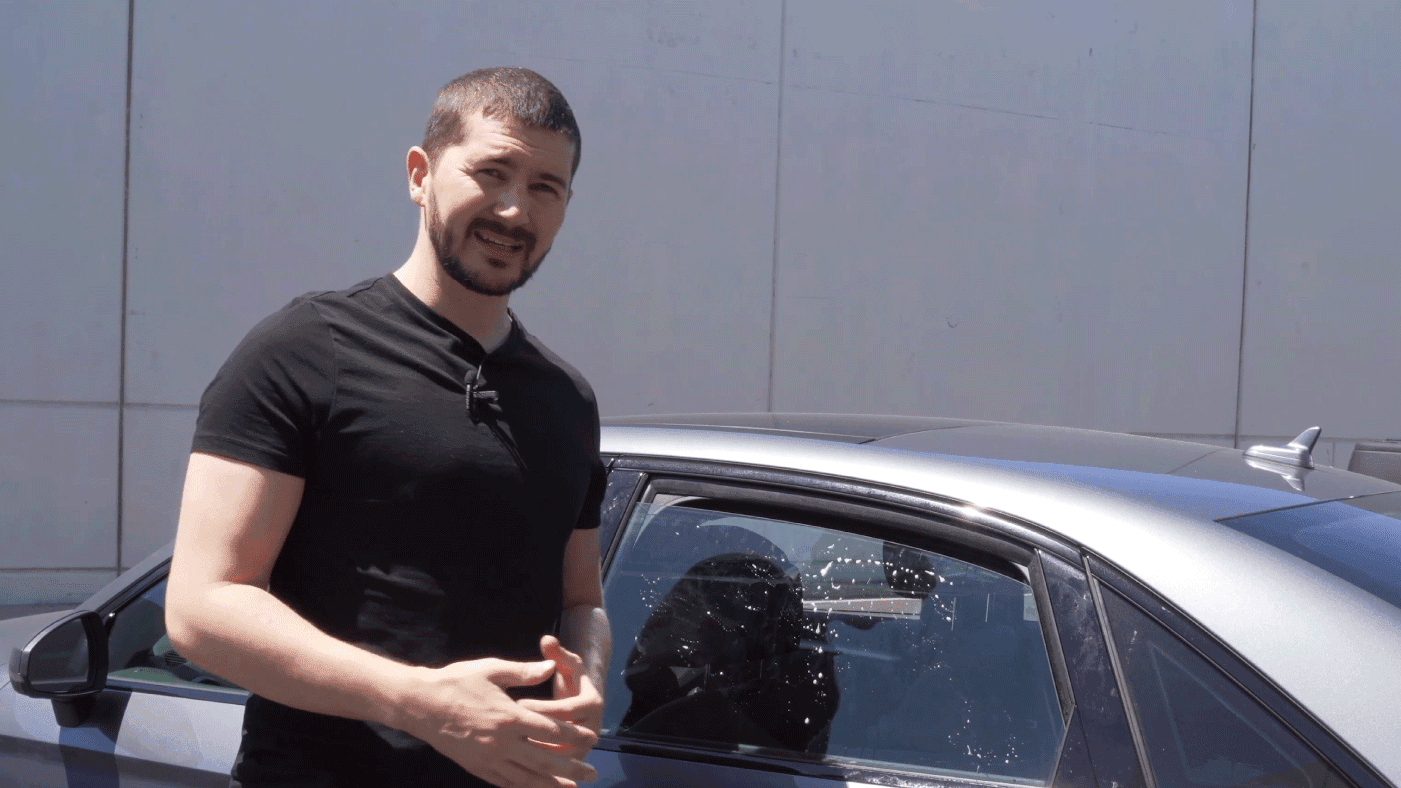
Show enough of the vehicle for the viewer to understand the work. Keep the frame tidy and avoid an angle that makes the glass impossible to see. If comparing before and after, use similar framing and lighting. A bright before shot and a heavily darkened after shot can suggest a difference created by the camera rather than the installation.
2. The detail shot

Include an edge, corner or another relevant detail clearly enough that the viewer can inspect it. Keep focus on the glass rather than your reflection. Do not digitally remove defects and then present the image as untouched evidence of your workmanship. If a detail is not ready to represent your work, improve the work before choosing a different camera trick.
3. The process shot
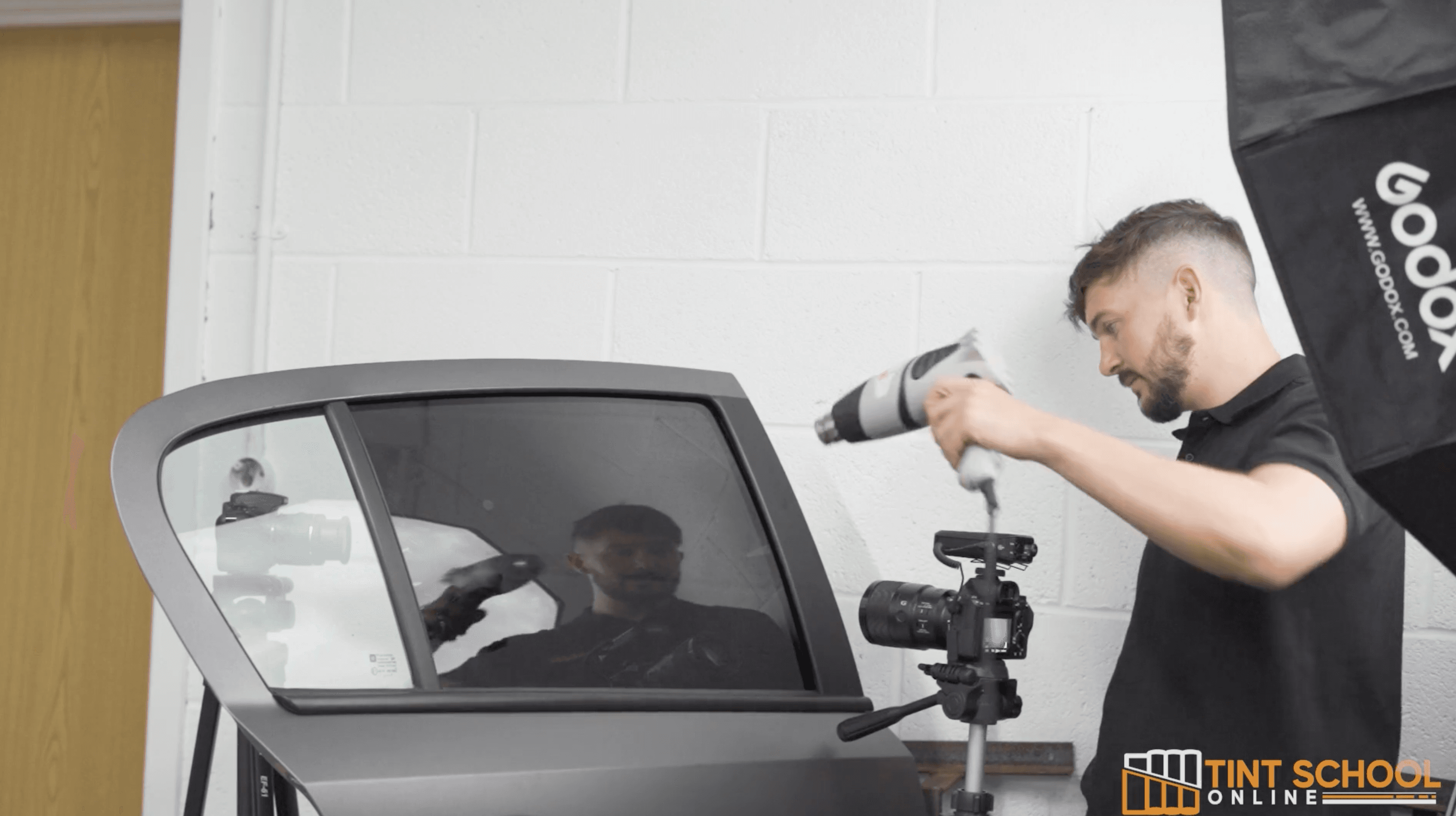
A preparation or installation image can explain why the job takes care. It is not a complete tutorial, and it should not encourage someone to imitate an isolated movement without instruction. Choose a moment that supports a useful explanation, such as controlled handling or an organised setup, rather than merely making the work look dramatic.
Write captions that answer real questions
- Context: was this your own practice vehicle, a training exercise or a completed customer job?
- Scope: which glass did you work on, and what was excluded?
- Product: identify the actual film where you have a reliable record. Do not guess from how dark it looks.
- Process: explain one relevant detail without claiming the photograph proves everything about the job.
- Next step: say what details someone should provide to ask about a comparable service.
Example caption: 'Practice work on my own vehicle: side-window installation, with a closer look at the upper edge. This session focused on handling and alignment. I am building consistency before offering this work to customers.' It is specific, credible and useful. It does not need an invented review or a story about how much money the job made.
Protect the customer and the credibility of the work
Get permission before publishing customer vehicles or surroundings. Check registration plates, faces, addresses, paperwork and reflections. Keep original files and a record of the context. Use your own photographs or material you genuinely have permission to use; do not borrow another installer's work and let viewers assume it is yours.
A photograph cannot independently establish heat-rejection performance, legal compliance or a warranty. Those claims need the appropriate evidence. The FTC's advertising guidance makes clear that the overall impression of an advertisement matters, not just isolated words. Write the caption and choose the image as one truthful message.
Make a small portfolio easy to use
Group examples by the work you actually offer. Put a short scope description beside each set and make the enquiry route obvious on mobile. Remove duplicate images that add no information. Add new work when it shows a useful difference or stronger consistency, not just to make the gallery longer.
Use those sets as the raw material for a monthly content plan. If a viewer asks about a similar job, respond with the details needed for a clear enquiry. A portfolio works best when it starts an informed conversation that your real skill can support.
