

The expensive AI mistake is not always dramatic. It can be an invented warranty sentence added to a quote, a drying-time answer borrowed from the wrong film, or a margin calculation that forgets your time. Each may look tidy enough to pass a hurried glance. A short checking routine is much cheaper than discovering the error after you have acted on it.
NIST's Generative AI Profile includes false content and invented supporting citations among the risks. Asking the same model whether it is sure is not independent verification. Treat its answer as a proposed explanation and choose a check suited to the consequence of getting it wrong.
Sort the advice by what it could affect
- Low consequence: wording, spelling or the order of a non-sensitive checklist. Read it and check it still means what you intended.
- Business consequence: prices, availability, product descriptions and customer commitments. Check against your actual records and approved information.
- High consequence: vehicle damage, tool safety, tint legality, taxes, contracts or private data. Use the relevant authoritative guidance or qualified help before acting.
This is not a reason to make every caption a research project. It is a way to put effort where a mistake matters. Rearranging your own approved sentences needs a different level of checking from telling someone which glass treatment is lawful in a particular jurisdiction.
Example: 'Every film dries in the same time'
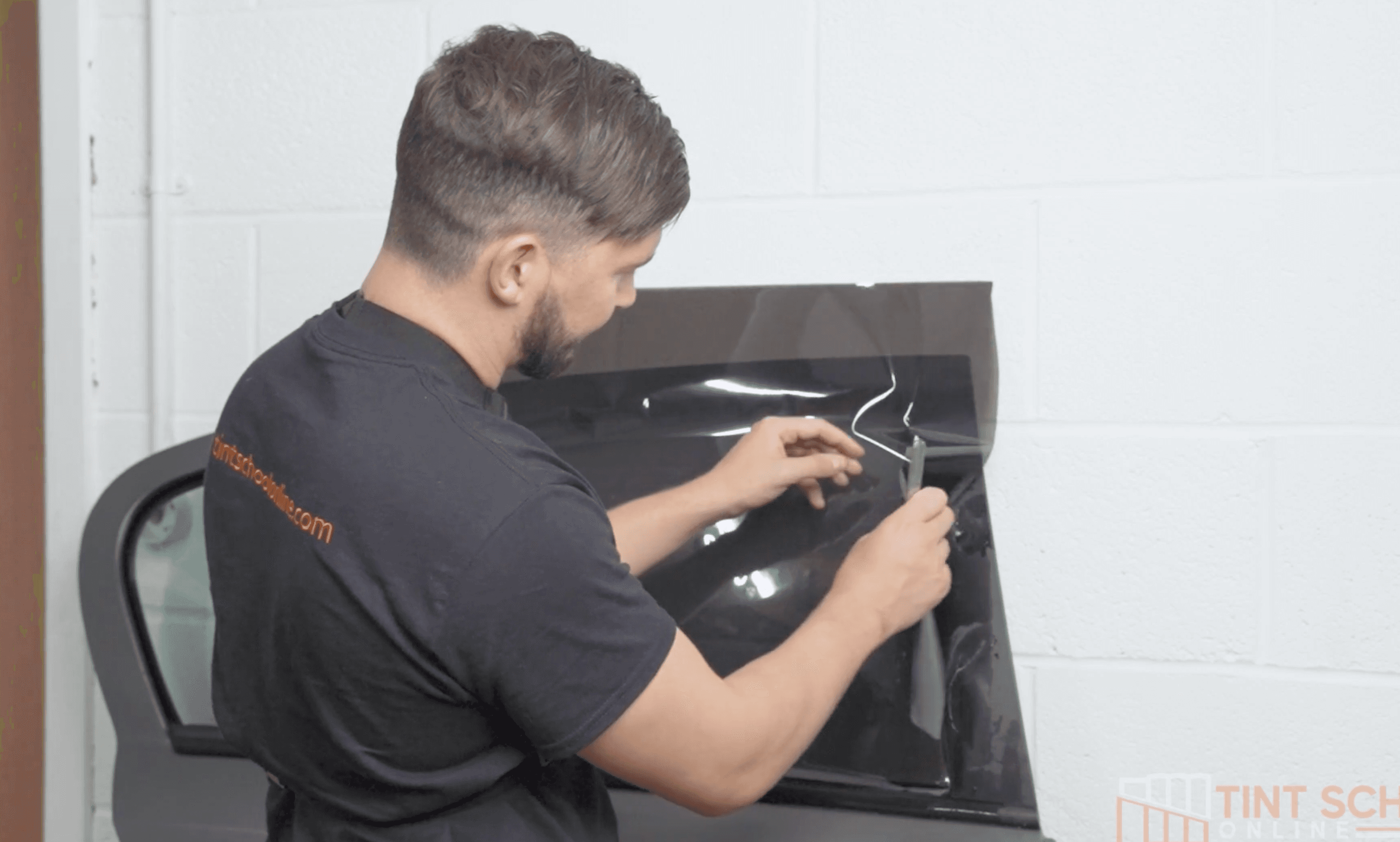
Suppose AI drafts an aftercare message with one confident drying period for every job. Do not repair it by asking for a more convincing number. Check the exact film and local instructions. A 3M Crystalline product bulletin, for example, distinguishes conditions and drying guidance for that product. That does not establish a universal rule for other films.
Your corrected message should use the instructions applicable to the installation, without expanding them into an unsupported promise. If you cannot find the right document, ask the supplier. If the advice involves an unfamiliar tool method or a risk to the vehicle, stop the physical task until the uncertainty is resolved.
Example: 'The rest of the price is profit'
If an answer subtracts film cost from a selling price and calls the balance profit, write out the missing items. What about consumables, payment charges, labour, marketing, workspace, insurance, equipment and rework? Do the arithmetic separately. Even a mathematically correct subtraction can answer the wrong business question.
Our worked pricing example keeps revenue, variable costs, owner labour and overhead distinct. Use your actual records when making decisions. A suggested number is not market evidence, and a revenue target is not a promise of take-home income.
Check the source, not just the link's appearance
- Open the cited page. Does it exist, and is it the manufacturer, official body or other original source claimed?
- Find the exact statement. A page about paint protection film does not automatically support advice about window film.
- Check product, place, date and conditions. A genuine source can still be irrelevant to your job.
- Compare the claim with the source wording. Watch for 'may' becoming 'will', a limited warranty becoming unlimited, or an estimate becoming a guarantee.
- Keep the relevant source with your approved note so you can revisit it when the product or guidance changes.
Ask for missing information instead
One useful prompt is: 'List the assumptions in this draft and the facts I must verify before using it. Do not supply missing numbers.' Then perform the checks yourself. AI can help you notice questions; it cannot approve its own answer simply by producing another polished paragraph.
Build a small library of approved product descriptions, care wording and reply templates. That reduces the amount you need to regenerate and recheck. Pair it with the privacy workflow and keep human approval before messages or quotes leave your business. The result is practical assistance you can use with confidence earned from checking—not borrowed from the model's tone.


