When every other headline is about software doing another task, learning a hands-on skill can feel refreshingly concrete. You practise a movement, inspect the result and gradually become capable of work you could not do before. Window tinting gives you that kind of feedback. The film is either where you intended it to be, or there is something specific to improve.
That does not make tinting an escape hatch from every uncertainty. Customers still have choices. Running a service takes organisation. Your body, available time and working environment matter. The attraction is more grounded: you can add a practical capability to what you already know, without pretending the digital economy has stopped existing.
A second capability creates options
Think in terms of a broader skill set, not a dramatic identity change. If you already organise projects, explain complicated ideas or handle customers, those abilities remain useful when learning a trade. Someone who is comfortable with a spreadsheet can learn film handling. Someone who is great with tools can improve their quoting and communication. Neither person needs to throw away their previous experience.
The ILO's explanation of occupational AI exposure distinguishes potential exposure from actual job losses. It does not give anyone a guaranteed career outcome. Our practical conclusion is to build adaptable capabilities: something you can deliver with your hands, something you can communicate clearly, and enough digital confidence to use helpful tools.
Choose a skill whose progress you can inspect

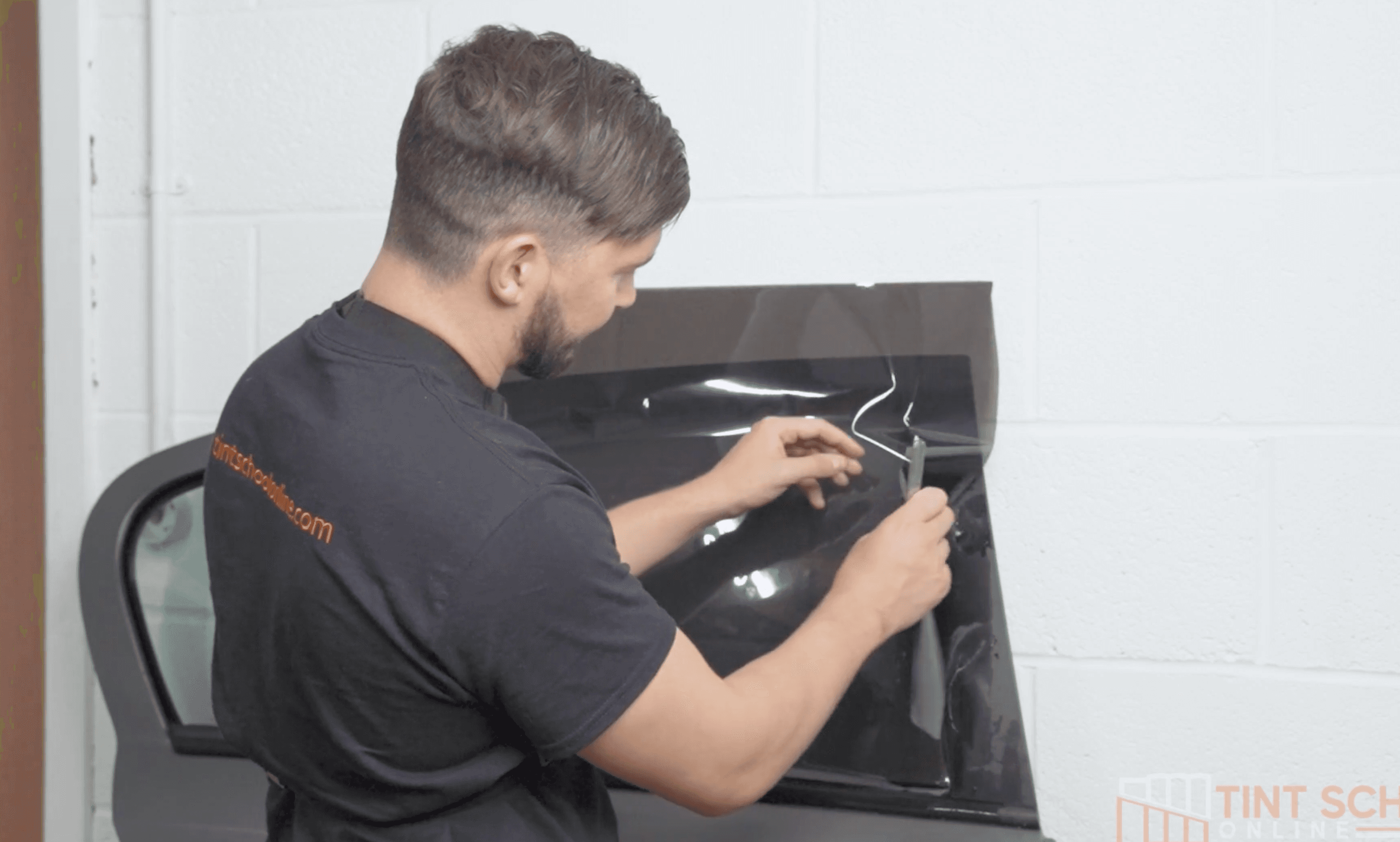
A useful learning goal is narrow enough to prove. 'Get good at tinting' is difficult to act on after work. 'Repeat this door-glass sequence and compare the top edge with my previous attempt' tells you what to do next. Keep early attempts in your learning record. You want evidence of better control, not a collection of perfect-looking photos selected to hide the learning process.
Visible progress is motivating, but appearance is only one measure. Add questions about preparation, protection of the vehicle, time taken and what you would do if the result needed attention. A beautiful photograph cannot tell you everything about whether a service was delivered professionally. That is why readiness for paid work needs a wider checklist.
Test the fit before making a big commitment
- Time: can you protect regular practical sessions, including setup and cleanup, rather than only watch videos late at night?
- Space: do you have permission to use somewhere suitable for the work you intend to practise?
- Interest: do you enjoy careful preparation and correcting small defects, not just the idea of owning a business?
- Resources: can you budget for training, tools and practice material without treating early bookings as guaranteed?
- Support: can you ask useful questions, accept feedback and repeat an exercise that did not go well?
Use those questions to design a small trial. Spend a defined period learning and practising around your current responsibilities. Track whether you return to the work willingly and whether your process improves. Do not judge the entire career on one frustrating window; do not judge it on one unusually smooth attempt either.
You do not have to choose between practical and digital
A phone can help you record practice. A simple calendar can protect learning time. AI can help turn your own notes into a checklist, provided you check it against the lesson. These are small ways to support the physical skill, not substitutes for doing it. The interesting combination is a capable installer who also communicates well and keeps their business organised.
If that combination appeals to you, start with a realistic learn-alongside-work plan and review what the online programme covers. You do not need to predict the whole future of employment before trying a useful skill. You need a sensible first step, room to practise and an honest way to judge your progress.