
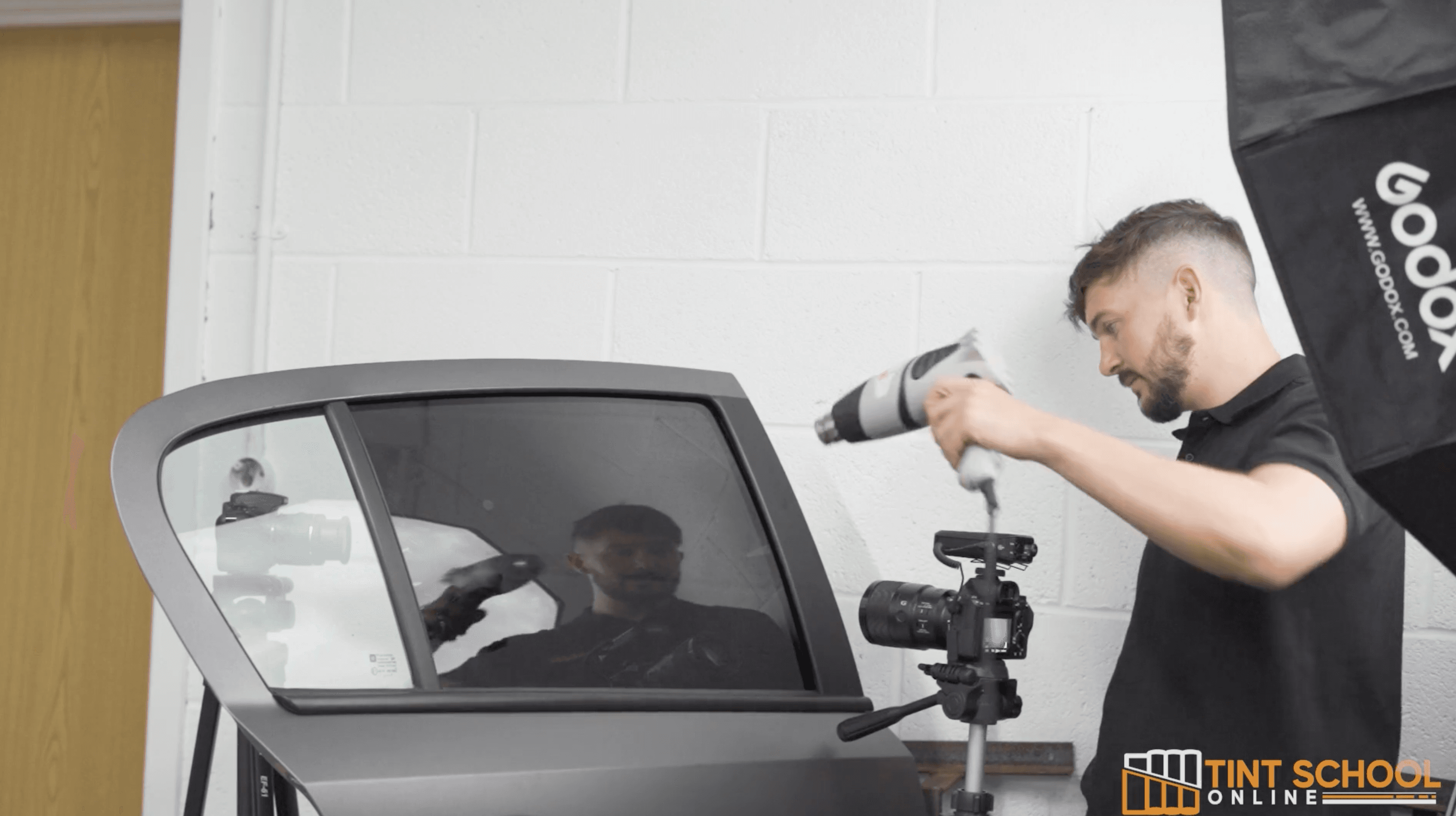
The hardest part of learning a trade around a job is often not finding a spare hour. It is making that hour useful. You finish work, watch several videos, feel motivated and then discover the weekend has gone without touching any film. A better plan gives watching, preparation and hands-on practice different places in your week.
Keeping your current job can give you room to learn without demanding that the first practice attempt immediately pay a bill. That does not mean filling every evening. A routine that damages your sleep or creates constant conflict at home is unlikely to last. Build around the time and energy you actually have.
A sample week, not a qualification timetable
Here is an example for someone with predictable weekdays and one free weekend block. Adjust it for shifts, family or other commitments. The hours are planning choices, not a promise about how quickly you will become ready for customers.
- Tuesday, 25 minutes: watch one relevant demonstration. Write the sequence and the two details you want to notice during practice.
- Thursday, 20 minutes: check tools, material, suitable practice glass and access to the workspace. Rewatch the exact movement you are unsure about.
- Saturday, two hours: include setup, focused practice, inspection and cleanup. Leave enough room to stop safely rather than rush to finish.
- Sunday, 15 minutes: compare photos, record the main problem and choose the next exercise. Do not automatically move on because another week has passed.
The Institute of Education Sciences learning guide recommends spacing learning over time and combining worked examples with practice. It is general learning research, not a tested timetable for tinting. Applying that principle here means returning to a skill across sessions instead of relying on one long viewing marathon.
Prepare the next session before you need it
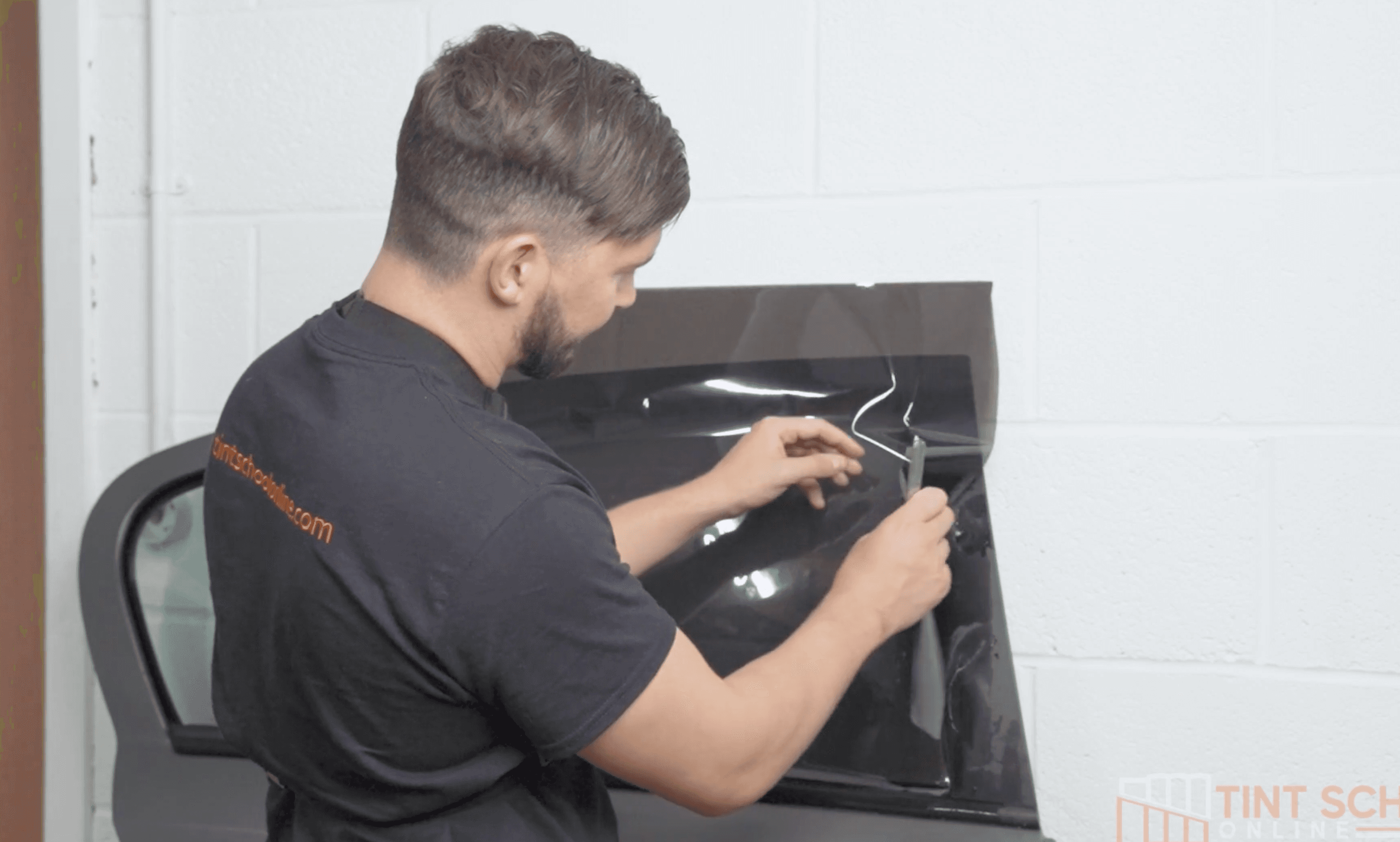
Lost time often comes from ordinary friction: no clean workspace, missing material, a car that is unavailable or ten minutes spent finding the lesson again. Keep a simple practice checklist and the lesson reference together. Check access and permission in advance. Do not assume you can use an employer's tools, premises or customer vehicles for your own training.
Choose one main aim per practical session. If you are working on film handling, record whether you kept control and where you lost it. If preparation was the problem, repeat preparation deliberately. Trying to improve speed, technique, photography and quoting at once makes it difficult to know what actually changed.
Measure the result, not the streak
A calendar streak is encouraging, but it cannot tell you whether your work is ready. Keep four notes: the exercise, the result, the mistake and the next change. Add time and material used when useful. Several consistent attempts matter more than a single lucky one. If the same defect keeps returning, ask for feedback with a clear photo and a description of your process.
TSO's online programme includes beginner and advanced training, demonstrations and business guidance, with lifetime access. That gives you material to revisit; it does not remove the need to practise. Use the demonstration-to-installation roadmap to decide what to revisit and when to add difficulty.
Keep learning separate from overbooking
Do not book paid work simply to force yourself to learn faster. First establish what you can repeat reliably, what vehicles you can handle and how much time the whole service needs. If you later take a small number of jobs, preserve space for enquiries, inspection, cleanup and follow-up. Two hours of installation is not automatically a two-hour appointment in your life.
When a busy week interrupts the routine, shrink the next session rather than abandon the plan. A short review and a well-prepared practice block can restart momentum. Your first goal is not to replace your salary on a deadline. It is to build a repeatable skill alongside the responsibilities you already have—and then make your next decision with evidence.

